Early History and Development
From Silk Route to Soul Route – Discover Kalimpong.
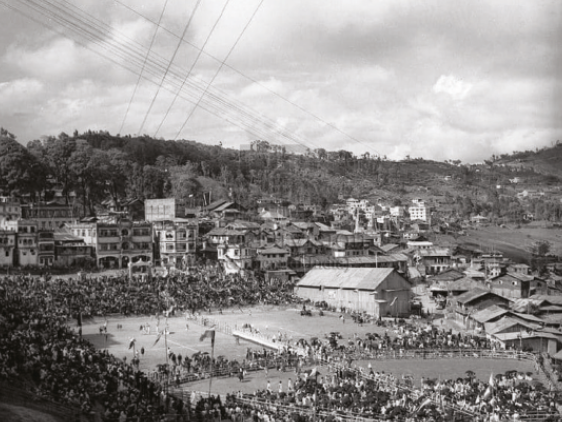
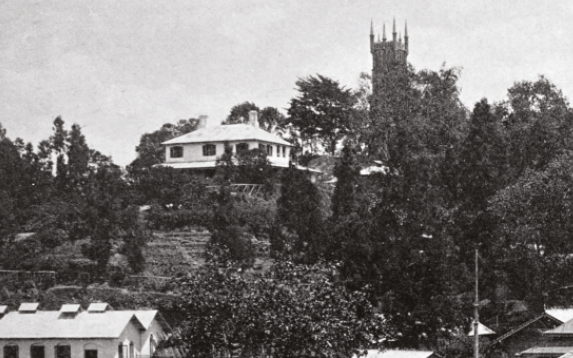
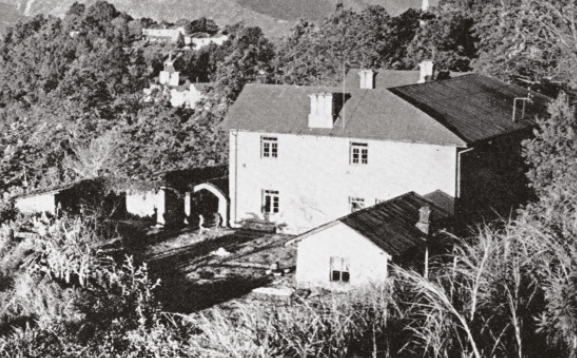
The early recorded history of Kalimpong is short and hazy. It was only after the Anglo-Bhutan War in 1864 that the history of Kalimpong became clear and recorded. Prior to this, some records are available but are contradictory and almost impossible to authenticate. It was only after the Treaty of Sinchula on 11th November 1865 that Kalimpong gained importance and prominence.
Historically, Kalimpong was a part of the Sikkimese or Denzong kingdom, inhabited by three major communities: the Lepchas, the Bhutias, and the Limbu (Tshongs).
In earlier times, the area was known as Dalimkot, and Kalimpong was just a small village with only a few families. After the Anglo-Bhutan War of 1864 and the Treaty of Sinchula in 1865, the region east of the Teesta River, along with the Duars, was ceded to the East India Company and made a sub-division under the West Duars District.
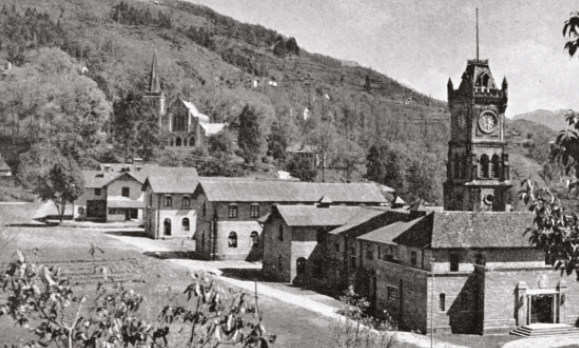
Due to its strategic location providing access to the Chumbi Valley of Tibet via Jelepla Pass, Kalimpong became an important trade hub and was popularly known as part of the Silk Route. Scottish missionaries also contributed significantly by establishing schools and welfare centers.
The economic development of Kalimpong slowed after the Chinese aggression in 1962, which led to the closure of trade routes through Jelepla. Today, the town depends mainly on education, tourism, and agriculture, while maintaining its peaceful charm.
Tourism plays a vital role in Kalimpong’s economy, especially during the summer and spring seasons, providing employment opportunities to many locals.
Kalimpong is well known for its cheese, noodles, and lollipops. It also exports a variety of traditional handicrafts, including wood carvings, embroidered items, tapestry bags, copperware, scrolls, and Tibetan jewelry.
On 14th February 2017, Kalimpong was officially declared a district by the Honourable Chief Minister of West Bengal, Mamata Banerjee, marking a new phase of development for the region.